
When Skills Training Fails Adolescent Girls: A Hard Conversation About Tailoring Programs
May 23, 2026
Story
Seeking
Action


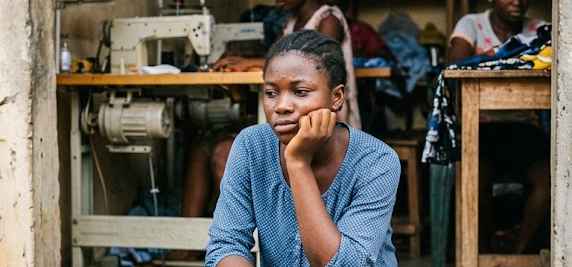
Across Uganda, youth skilling programs have become one of the most common responses to poverty and unemployment among girls and young women. Government and NGO-led initiatives continue to train girls in tailoring, hairdressing, knitting, and other vocational trades. While these interventions are often well intentioned, I believe we need to ask harder questions about their long-term impact; especially for adolescent girls.
"Are we transforming girls’ lives — or simply recycling poverty in another form?”
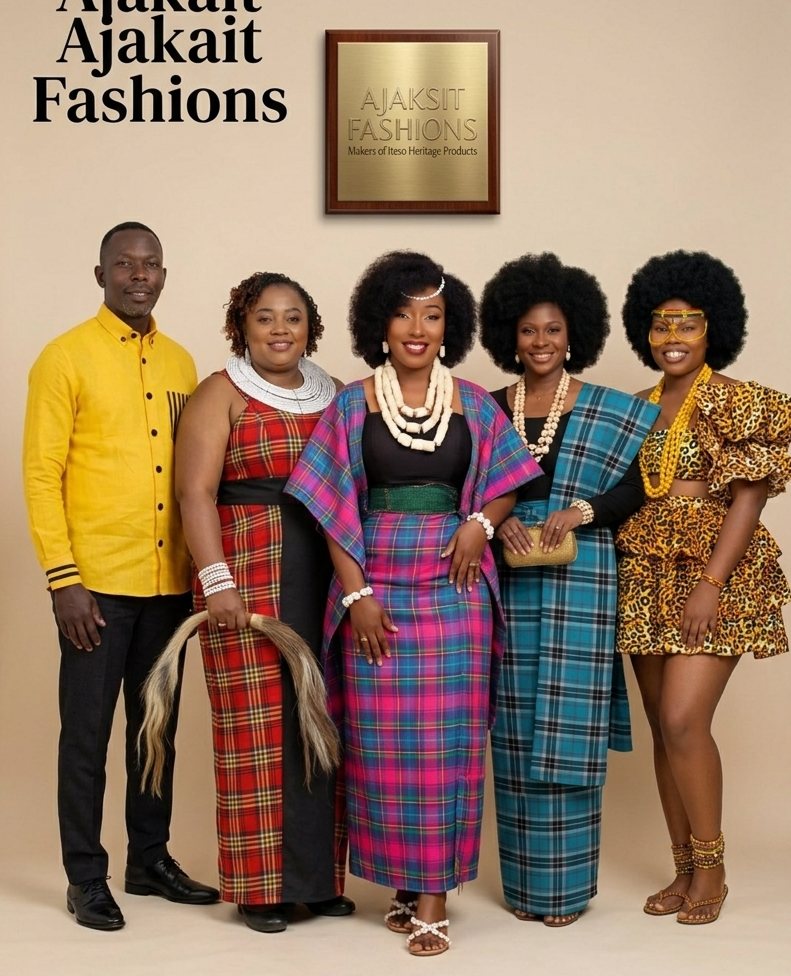
Through the Ajakait Fashions initiative, a clothing brand that speaks to the present moment while harnessing the richness of evolving African culture and modern corporate fashion we focus on skilling young women. We integrates green business practices into every stage of production. The motivation for scaling the business comes from the positive social and economic impact already achieved. Trainees have gained marketable skills, built confidence, and, in some cases, started small tailoring enterprises of their own.
This initiatives strives to ensure that there an all round development of young women into business empowerment. Participating in the sessions of the Tony Elumelu Foundation-IYBA WE4A Entrepreneurship Program has enriched my understanding and encouraged me to go green in the initiative.
For years, “skilling adolescent girls” through tailoring training has been presented as a solution to poverty and unemployment. In many communities, sewing machines have become symbolic handover items in empowerment projects. Photos are taken. Speeches are made, reports are written. Yet after the graduations ceremonies are celebrated, many girls are left to navigate survival on their own.
But we need to ask a difficult question: is this approach truly transforming the lives of girls? or are we simply recycling poverty in a different form? Without startup capital, business training, market access, mentorship, or long-term support, the sewing machine alone changes very little. Many of these sewing machines remain idle. Some beneficiaries eventually sell them just to cope with immediate economic hardship. So when we train large numbers of adolescent girls in tailoring without addressing these structural realities, we must honestly ask: Where exactly is the pathway out of poverty? The assumption that a sewing machine equals empowerment is questionable. Lets be honest: are we helping adolescent girls build sustainable futures? The fact is that empowerment is more complex than that.
My concern is not with tailoring itself. Tailoring is a valuable skill. The problem is when and how we introduce it to girls. At the same time, Uganda’s tailoring market is increasingly difficult to penetrate. Cheap imported second-hand clothes and ready-to-wear fashion dominate local markets. Competition is extremely high, profit margins are low, and many small-scale tailors struggle to sustain themselves.
Too often, adolescent girls are pushed into vocational skilling before they complete their formal education because they have become teenage mothers or dropped out of school. Many are still children, navigating poverty, social pressure, and limited opportunities. Instead of strengthening pathways for them to stay in school, we have tended to often redirect them into survival-oriented livelihoods far too early.
A sewing machine alone does not create economic independence. Without business skills, startup capital, access to markets, mentorship, and long-term support, many of these machines remain unused. Some girls eventually sell them just to cope with daily survival needs. Others struggle to compete in a market already flooded with cheap ready-to-wear clothes imported at low prices.
So we must ask: where is the pathway out of poverty in this model? In many cases, we are preparing girls for overcrowded informal markets without addressing the structural realities that make those markets unsustainable. We celebrate “skills training” while ignoring the fact that education remains one of the strongest long-term protections against poverty, exploitation, and dependence.
I believe our priority for adolescent girls should be keeping them in school, supporting them to complete their secondary education, and expanding their life choices. Education gives girls broader opportunities, confidence, critical thinking, and the ability to compete beyond survival-level livelihoods.
Vocational skilling still has a place , but perhaps our focus should shift toward young women who are older, more mature, and ready to intentionally build businesses and livelihoods. At that stage, tailoring training can be paired with entrepreneurship support, financial literacy, savings groups, market access, mentorship, and capital investment. That is when skills can become sustainable economic opportunities rather than temporary interventions.
Yes, education still matters. Keeping adolescent girls in school remains one of the strongest pathways to reducing poverty, early marriage, dependency, and vulnerability. School expands choices. It builds confidence, critical thinking, networks, and opportunities beyond survival work. But perhaps our approach needs to change. Development work must move beyond symbolic empowerment. We need approaches that are realistic, evidence-driven, and capable of creating genuine economic transformation for girls and young women. Because giving a girl a sewing machine may change her situation for a moment. Keeping her in school may change her entire future
I call on your contributions to help us establish an impactful sustainable programm for skilling young women with quality and sustainable tailoring business skills.