
Turning anonymity into immortality.
Oct 12, 2025
Story
Seeking
Visibility


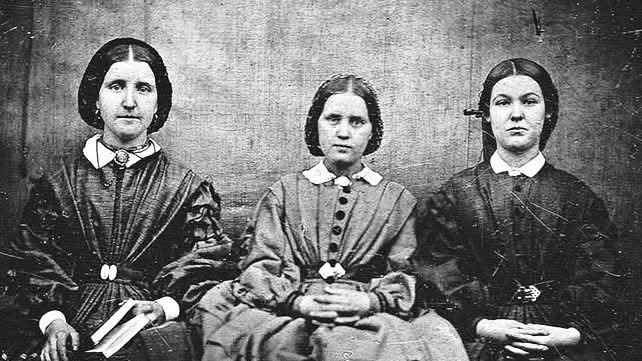
For much of literary history, women wrote under disguise to claim their right to exist in print. In 1811, Jane Austen published Sense and Sensibility as “By a Lady,” her quiet wit rebelling beneath the mask of modesty. By the 1840s, the Brontë sisters—writing as Currer, Ellis, and Acton Bell—defied convention with Jane Eyre, Wuthering Heights, and Agnes Grey, works too fierce for critics to believe women had written them. Mary Ann Evans, as George Eliot, and Louisa May Alcott, as A.M. Barnard, also hid behind male names to earn respect and survival. These pseudonyms were not concealment but resistance—armor through which women claimed their voices and, in doing so, transformed anonymity into immortality.