
Saving Blessing Ayoti: A Story of Hope, Compassion, and Survival
May 21, 2026
Story
Seeking
Encouragement
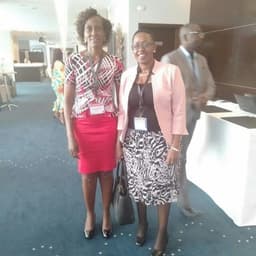
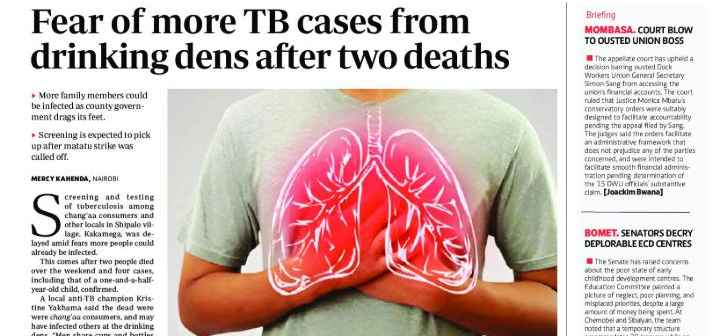
Photo Credit: Kristine Yakhama
In humanitarian and public health work, there are moments that remain with you forever. Moments that remind you why community health, nutrition, and child protection matter. One of those moments for me was meeting a little girl named Blessing Ayoti — a child barely one year and seven months old, silently fighting for her life against two deadly conditions: tuberculosis (TB) and severe acute malnutrition.
When I first encountered Blessing, her condition was heartbreaking. She was weak, frail, and dangerously undernourished. Her tiny body reflected prolonged suffering. Her Mid-Upper Arm Circumference (MUAC) reading fell in the red category, the most critical classification used to identify severe acute malnutrition in children. This meant her body no longer had the nutritional reserves needed to survive without urgent intervention. At the same time, she had been diagnosed with tuberculosis, an infectious disease that becomes especially deadly when combined with malnutrition in young children.
Blessing’s eyes carried exhaustion far beyond her age. She could barely play, smile, or respond actively like other children her age. Her mother was overwhelmed, frightened, and emotionally exhausted after struggling for months without adequate support. The family faced poverty, limited access to healthcare, food insecurity, and social isolation. In many communities, children in such conditions are often overlooked until it is too late. Sadly, some are left to die quietly at home because families lose hope or cannot afford sustained medical care.
But I refused to let Blessing become another statistic.
As someone deeply committed to child health, nutrition, and community-based care, I understood that saving Blessing required more than medical treatment alone. It required compassion, persistence, coordination, advocacy, and immediate action. Her situation represented the dangerous intersection between infectious disease, malnutrition, poverty, and weak social support systems. Children like Blessing need holistic care that addresses both medical and social vulnerabilities.
The first step was ensuring urgent linkage to healthcare services. I worked closely with healthcare providers to ensure Blessing was properly assessed and enrolled into TB treatment and nutritional rehabilitation programs. Her condition required careful monitoring because TB treatment in severely malnourished children is extremely delicate. Malnutrition weakens immunity, making it difficult for the body to fight infection, while TB further drains the child’s already limited strength.
I coordinated with clinicians and nutrition teams to ensure she received therapeutic feeding support and routine medical follow-up. This included monitoring her MUAC progress, weight gain, appetite, hydration, and treatment adherence. I also engaged the caregiver extensively because supporting the mother emotionally and practically was critical to the child’s recovery. In many cases, caregivers of severely ill children experience hopelessness, stigma, and fatigue. Empowering them becomes part of saving the child.
Beyond the clinic, I conducted continuous follow-up and community support. I checked on Blessing’s progress, reinforced counseling on nutrition and hygiene, and encouraged adherence to TB medication despite the difficult circumstances. Access to nutritious food remained a challenge, and there were days when the family struggled even to secure basic meals. Yet we continued mobilizing support and ensuring that the child remained connected to lifesaving services.
One of the greatest lessons from Blessing’s case was the importance of early detection and community intervention. Severe acute malnutrition does not happen overnight. It develops gradually, often unnoticed until the child reaches a critical stage. Similarly, TB symptoms in children can be missed or misunderstood. Many caregivers may not recognize persistent cough, fever, poor weight gain, lethargy, or loss of appetite as warning signs requiring urgent medical attention. Community awareness and grassroots health engagement are therefore essential in preventing avoidable child deaths.
Blessing’s story also exposed the realities faced by vulnerable families in underserved settings. Poverty is not only about lack of income; it is also about limited access to healthcare, nutritious food, sanitation, information, and support systems. For many families, transport to health facilities is unaffordable. Some caregivers must choose between buying food and paying for medical visits. Others face stigma associated with TB or malnutrition. These structural barriers place children at enormous risk.
Despite these challenges, I remained determined that Blessing deserved a chance to live.
As weeks passed, there were small but meaningful signs of improvement. Her appetite slowly improved. She became more responsive during visits. Her mother started regaining hope. The process was not easy. Recovery from severe acute malnutrition and TB is gradual and requires patience, consistency, and multidisciplinary support. There were moments of uncertainty and fear, but giving up was never an option.
What made this case especially emotional for me was realizing how close Blessing had come to death before intervention occurred. Without urgent nutritional and medical support, she might not have survived. Her story reminded me that behind every malnutrition statistic is a real child with dreams, a family in distress, and a future that can still be saved through timely action.
This experience strengthened my belief that community health workers, frontline responders, nutrition advocates, and healthcare professionals play a vital role in protecting vulnerable children. Often, we are the bridge between isolated families and lifesaving services. We identify risks early, advocate for care, educate caregivers, and restore dignity where hope has nearly disappeared.
My work with Blessing was not simply about treating illness; it was about restoring humanity and demonstrating that every child matters regardless of their background or circumstances. It was about standing beside a struggling mother and reassuring her that her child’s life was valuable and worth fighting for. It was about refusing to normalize preventable suffering.
Through this intervention, I also became more passionate about advocating for integrated approaches to child survival. Malnutrition, TB, poverty, and inadequate healthcare cannot be addressed in isolation. Governments, health systems, donors, and communities must work together to strengthen nutrition services, improve TB screening among children, expand community outreach, and ensure vulnerable families receive social protection support.
Children like Blessing remind us that investment in community health saves lives. A simple MUAC screening can identify children at risk before complications become fatal. Early TB diagnosis and treatment can prevent irreversible damage. Caregiver education can improve health-seeking behavior. Community follow-up can prevent treatment interruption. These interventions may seem small individually, but together they create a lifeline for children in danger.
Today, when I reflect on Blessing’s journey, I see more than a medical case. I see resilience. I see the power of compassionate action. I see the impact that one committed intervention can make in changing the trajectory of a child’s life.
Her story continues to inspire my work in public health and humanitarian response. It reminds me that true service means reaching the forgotten, advocating for the vulnerable, and acting decisively even in difficult circumstances. It means understanding that every child deserves the opportunity to survive, grow, and thrive.
Receiving recognition for this work would not only honor my efforts but also shine a light on the urgent realities facing malnourished and TB-infected children in vulnerable communities. It would amplify the importance of frontline health interventions and community-based care in saving lives. Most importantly, it would give visibility to children like Blessing, whose survival depends on timely compassion, coordinated healthcare, and sustained support.
Blessing’s journey is ultimately a story of hope. A child once at the brink of death was given another chance because someone cared enough to intervene. Her recovery journey demonstrates that even in the most fragile circumstances, survival is possible when health systems, community support, and human compassion come together.
As I continue my work, I carry Blessing’s story with me as a reminder of why this mission matters. There are still many children hidden in communities, silently battling malnutrition, tuberculosis, and neglect. They need advocates. They need healthcare access. They need hope.
And above all, they need people willing to fight for their lives before it is too late.