
Mental illness is treatable
Aug 2, 2025
Story
Seeking
Encouragement

Healing is possible
🧠 Mental Illness Is Treatable. Let’s Not Offer Death Before Care.
“I don’t want to live.”
So many people say this in the depths of a mental health crisis.
What they often mean is—“I don’t want to live like this.”
I’ve walked alongside people teetering on the edge of life—gripped by invisible pain, unheard by the world, and abandoned by systems meant to heal. I’ve seen how their suffering was mistaken for clarity. And I’ve seen what happens when we choose presence over abandonment.
They chose to live.
Not because the pain disappeared overnight—
But because someone stayed long enough for light to return.
🌪️ In the Fog of Mental Illness, Decision-Making Is Distorted
Mental illness clouds cognition. It distorts reality. In that moment, death may feel like clarity—but it’s actually confusion masked as certainty. We don’t let someone drive drunk. Why would we let them choose death while mentally unwell?
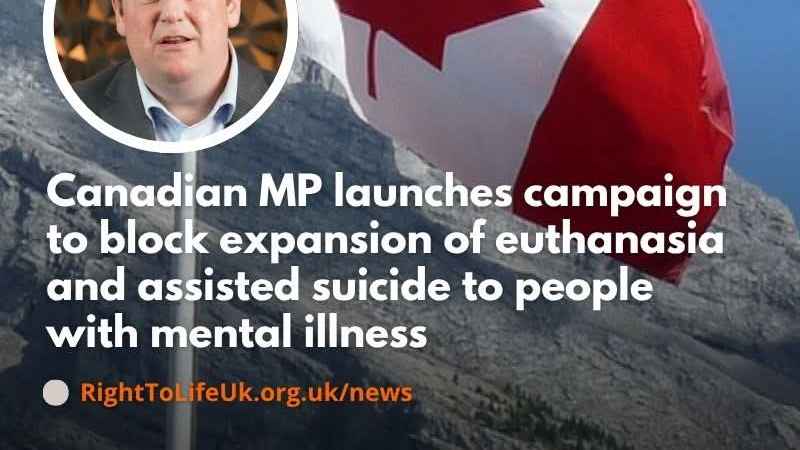
This is why I support Bill C-218 in Canada. Not because I deny autonomy, but because I believe in protecting it when it’s most vulnerable.
🌱 Recovery Is Possible. I’ve Seen It.
I’ve watched survivors go from silence to storytelling.
From isolation to leadership.
From "I want to die" to "I want to build something meaningful."
They didn’t need a right to die—they needed a right to recover. That starts with care, not consent under cognitive strain.The Biopsychosocial Model: Complexity Demands Compassion
Healing must respond to the full spectrum of mental health—not fragments.
| Dimension | Influences |
|------------------|------------------------------------------------------------------------|
| Biological | Neurotransmitters, genetic predisposition, medical comorbidities |
| Psychological | Trauma, distorted internal narratives, emotional dysregulation |
| Social | Cultural stigma, poverty, isolation, gender-based discrimination |
We must ask before consent:
- Was trauma-informed care truly offered?
- Were culturally competent interventions provided?
- Did the system acknowledge the patient's relational and psychological context—or reduce them to diagnosis?
> Treat the whole person, not just the pain.
🌱 Relational and Survivor-Centered Care Is Not a Luxury—it’s Lifesaving
In my work across narrative medicine and psychosexual care, here’s what dignity looks like in practice:
- 🤝 Peer Support Networks: Anchored in survivor-led wisdom and community rhythms
- 📖 Narrative Restoration: Helping survivors reclaim identity through storytelling and personal voice
- 🔄 Non-Linear Healing Models: That respect waxing and waning of recovery across life phases and relationships
- 🧩 Culturally Sensitive Frameworks: Grounded in local realities and relational ethics
The healing process must be alive, adaptable, and affirming. These are tools for survival—not accessories to care.
⚖️ Why Bill C-218 Must Pass
This bill doesn’t restrict rights—it restores responsibility.
It recognizes that in psychiatric crisis:
- Autonomy may be impaired
- Consent may be clouded
- Cultural and relational healing may be missing
We owe every individual the full spectrum of care before considering irreversible decisions.
Healing is political.
Recovery is systemic.
Care is ethical.
Consent must be contextual.
Mental illness is treatable. Let the systems catch up.
📖 Narratives Can Shift Systems—If We Listen
We must amplify stories like “I Got Better.” We must make hope visible. Recovery is not a miracle—it’s a process that begins with someone believing healing is possible.
Here’s what changes when we institutionalize hope:
- We build care systems that hold people in their darkest hour.
- We shift culture from death as dignity to life as resilience.
- We allow people to rewrite their endings—not stop their stories in the middle.
🌍 Let’s Champion Systems That Heal, Not Hasten Harm
Being pro-choice cannot mean being pro-resignation.
Being pro-dignity cannot mean equating care withdrawal with compassion.
There is dignity in being held, treated, and heard. That’s what healing asks of us.
> "There is hope, even when your brain tells you there isn’t." – John Green
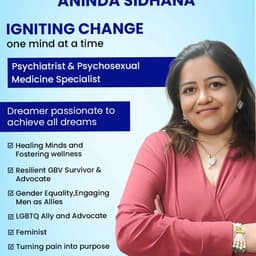
I speak now as a psychiatrist—but also as a survivor, advocate, and someone who holds stories of transformation close to heart. Let’s not decide for people in their darkest hour. Let’s stay with them long enough for the sunrise.
💜 We Say to Survivors: Stay. Your Story Isn’t Over.
We will hold hope until you can.
We will listen until the silence breaks.
We will wait until the fog lifts. Because life deserves every chance to recover.
BiopsychosocialJustice #CareBeforeConsent #NarrativeMedicine #SurvivorLedHealing #RightToRecover #HopeIsClinical #WorldPulseRipple #EthicsInPsychiatry #C218Matters #MentalHealthAdvocacy #GlobalChangemakerVoice
- Digital Ambassador Events
- Collaboration Stories
- Behind the Headlines