
LEBANON: Peace in the Middle East Starts with Education Reform
Apr 9, 2025
Story
Seeking
Action
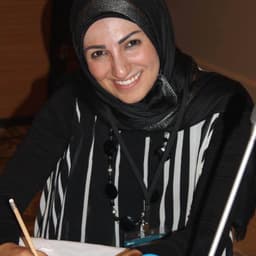

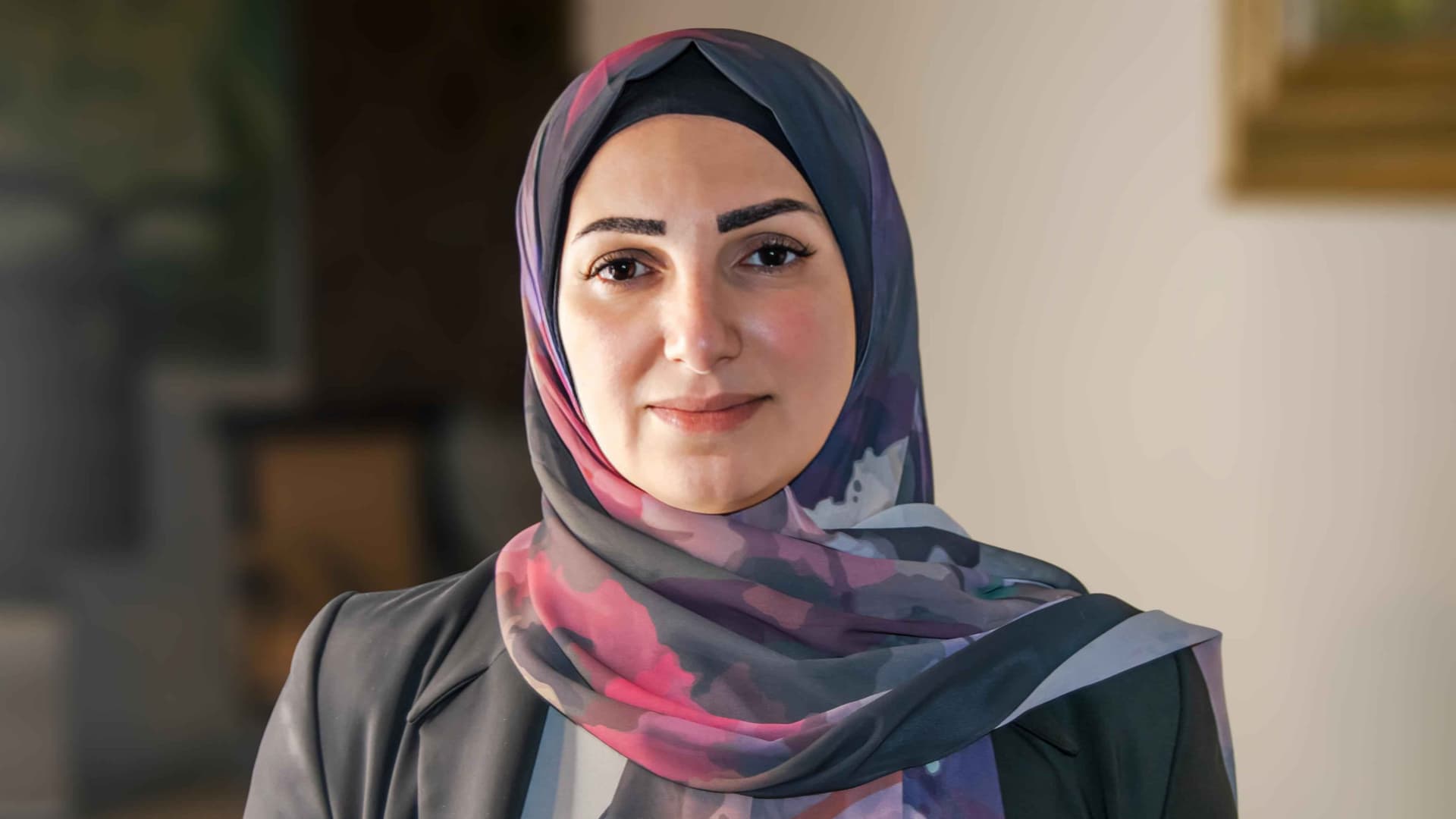
Photo Credit: Hawraa Ghandour
Hawraa Ghandour
Hawraa speaks out from a region marked by conflict, calling for a new path to peace.
Education must be the first line of defense against hatred and violence.
The ongoing conflicts in Syria and other parts of the Middle East are not just political and humanitarian disasters; they are also a reflection of deep-rooted flaws in our societies, particularly in our educational systems. Education should be the foundation of a peaceful, tolerant, and cohesive society, yet how we educate future generations has contributed to the divisions fueling these conflicts. Now, more than ever, we must rethink and reform our approach to education to break the cycle of hatred and violence.
Education is not merely about academic achievement; it is a powerful force in shaping how people think, interact, and understand those who are different from them. A strong educational system fosters understanding, dialogue, and problem-solving skills, equipping students to resist manipulation, sectarianism, and ideological extremism. Unfortunately, many educational models in the Middle East fail to do so.
Our schools often prioritize rote memorization over critical thinking, obedience over inquiry, and narrow identity over global citizenship. Instead of encouraging open discussions, students are trained to accept information without question, making them vulnerable to misinformation and divisive rhetoric.
If we observe social media today, we can see how deeply ingrained sectarianism and intolerance have become. Comment sections are filled with hate speech, where people express hostility based on religious, ethnic, or political affiliations. The brutality of words, the dehumanization of others, and the ease with which violence is justified all indicate a critical failure of the education system — it has not taught individuals how to think critically, engage in constructive dialogue, or respect diversity. Instead of using digital platforms to foster mutual understanding, many use them to deepen divisions and reinforce dangerous narratives.
The Syrian war has destroyed millions of lives, displaced families, devastated economies, and left entire generations without hope. But beyond the visible destruction, the Syrian crisis serves as a tragic example of what happens when education fails to prepare societies for peace and coexistence.
For decades, education in many parts of the region has neglected to equip students with the tools to analyze their surroundings, challenge injustice, and engage in dialogue instead of violence. When crises strike, those lacking these skills become easy targets for manipulation, falling into the traps of sectarian conflicts, extremism, or unquestioning loyalty to political agendas that do not serve them.
Furthermore, the war has deprived millions of children of their right to education, exacerbating the problem. A generation growing up without proper schooling is more likely to be drawn into cycles of violence, keeping the region trapped in never-ending conflicts. Without urgent reforms, the consequences will extend far beyond Syria, affecting the entire Middle East for generations.
If we truly want to prevent future conflicts, our educational systems must prioritize promoting peace, coexistence, and resilience. This requires a radical shift in how we approach education.
Students must learn to question narratives, analyze sources, and think independently to resist misinformation and extremist ideologies.
Schools should be spaces for open discussions about different cultures, religions, and ideologies, fostering respect rather than division.
Given the role of misinformation in fueling hatred, students must learn how to differentiate between credible news and propaganda.
Teachers should empower students to engage in social issues, advocate for their rights, and contribute to democratic decision-making.
In conflict zones, schools must implement strategies to support students emotionally and psychologically to help them heal.
The devastation in Syria and the Middle East is a reminder that we cannot ignore the role of education in shaping our societies. If we continue to rely on outdated educational models that fail to prepare students for the modern world, we will keep producing generations that suffer from division, ignorance, and conflict.
Education must be the first line of defense against hatred and violence. Reforming our educational systems is not just an academic necessity but a matter of survival. The future of our region depends on whether we teach young minds how to think critically, communicate respectfully, and embrace diversity. The question is: will we rise to this challenge, or will we allow another generation to be lost to the same mistakes of the past?
STORY AWARDS
This story was published as part of World Pulse's Story Awards program. We believe every woman has a story to share, and that the world will be a better place when women are heard.
- From Distraction to Collective Action
- Featured Stories