
HER ONLY CRIME WAS SPEAKING OUT
Oct 13, 2025
First story
Seeking
Collaboration


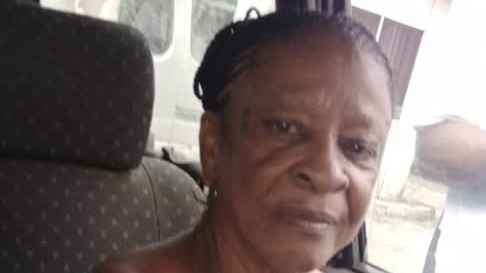
Photo Credit: Lucky Onyeche
Gladys the Symbol of Peace
“HER ONLY CRIME WAS SPEAKING OUT” (LIVE STORY OF INJUSTICE, CONSPIRACY, DEPRIVATION, HEARTBREAK YET PEACE FOUND)
By Lucky Onyeche
Results-oriented Finance and Administration Manager with a Bachelor of Science degree in Accountancy and extensive experience across finance, auditing, human resources, and development program management. Proven expertise in financial planning, compliance, and operational efficiency within both private and public sector environments. Formerly served with UNICEF MCHW program and the Nigeria Government’s MDGs Conditional Grants Scheme Program, contributing to impactful community development initiatives. A published researcher in World Water Policy (2021) on water access and sustainability in the Niger Delta. Committed to promoting transparency, accountability, and organizational growth through sound financial management and strategic leadership.
Address: 13 George Nkoro Street, Off Psychiatric Hospital road, Rumuigbo, Port Harcourt, Rivers State, Nigeria
Email: lconyeche@yahoo.com, Phone: +2348030949416
Story Summary
This is a live story of my mother, Gladys. A woman whose life is defined by strength in the mixed of betrayal, and an unyielding quest for peace. Her journey taught me that peace is not only in the absence of pain, but the choice to rise above pain. It is a story about injustice, conspiracy, betrayal and denial on a woman but, she chose to transform personal loss into a legacy of peace and reconciliation.
A Woman of Purpose
My mother, Gladys, was born in 1944 in remote village called Ihie in the present day Etche Local Government Area, a small community in what was then the Southern Nigeria under British Colony, now Rivers State of Nigeria. She was her mothers’ only child, born after many years of waiting, believing and prayer. She was born in an era when few children were sent to school, her parents made an uncommon decision to send her to school, which was unusual opportunity for a girl child as at that time. In 1962, she earned her Standard Six Certificate and began teaching at a local primary school. That same year, she married my father who is from Isu in Etche LGA, also a teacher, and together they dreamed of a modest but meaningful life built on learning, love and faith. In 1979, Gladys furthered her education at the Women's Teacher Training College, Isiokpo, where she earned a Grade Two Teacher Certificate. However, her teaching career ended in 1986 due to changes in the education system. Gladys marked her 81st birthday by August 2025 in good health and sound mind. She still goes farm and support from the children for a leaving.
The Udoji Benefit and a Promise for the Future
After a decade of service, both my parents became beneficiaries of the Udoji Public Service Review Commission of 1972, a national reform that rewarded civil servants under General Yakubu Gowon’s administration few years after the Nigerian Civil War. The bonus popularly called the Udoji Benefit was meant to provide financial security to civil servants. My mother’s dream was build a family house with the Udoji reward for herself and her three daughters and unborn children in a polygamous family structure, she wanted a house to call her own and a place of pride in a cultural setting where daughters could not inherit property. But my father had another idea. He persuaded her to combine their benefits to purchase a cassava processing machine, something the community was lacking at that time. He assured her it would be an investment that would yield profit quickly enough to build her dream house within six months. Though my father’s proposal sounded uncertain to her considering the polygamy structure and cultural dynamics, however, against all odds she agreed to combine hers achieve family because she chooses trust over fear, believing in partnership and in the peace of family shared vision.
A Threat, a Betrayal, a Dream Lost
Just before the machine arrived, a frightening message came from my father’s elder brother through my step-mother’s relative to my father saying; “If you buy the machine and claim it for yourself or your wife, I will kill you, your wife, and myself.” Out of fear, my father surrendered a joint investment, a reward for over decade labor to his brother without my mother’s consent. The machine purchased with both their udoji benefit was delivered not to our home, but to his brother’s home. That day, the community gathered to celebrate what they believed was my uncle’s achievement. My mother protested, she spoke up, cried out publicly, and demanded justice but her voice was silenced by traditional practice where it presumed that a women has no right to challenge male authority, especially within their husband’s lineage. The unilateral decision of my father husband deprived her, her dream house before her eyes, not because of poverty but because of betrayal, conspiracy and cultural believe system,
The Fight for Recognition
For her Refusal to be deprived of her hard earned benefit and supposed evidence of her labour, my mother demanded a community hearing. Elders from both families (my mothers and fathers family) gathered, but my father who had promised her partnership refused to appear before the settlement panel, display the act of conspiracy against his own wife to please his brother. His silence sealed my mother’s fate of a dream house, and at that juncture the Elders ruled that the machine belonged to his brother my uncle. That day, my mother lost more than money and more than her labor for over a decade but also lost her voice, her respect, and her peace within the family. From that moment, she and her daughters were marginalized, ostracized while uncle’s family flourished from her investment of my mother’s labor and the most painfully was that the machine purchased with her money was never used to grind her own cassava. She was excluded from enjoying the very solution provided by her investment. Her only 'crime' was speaking out and taking a bold action against a culture where silence was expected of women in the face of injustice and forceful takeover of her own property
Her “Sin” was Speaking Out
A woman’s peace and admiration was defined by her ability to endure in silence. Though my mother could not remain silent in the face of injustice, betrayal and deprivation. Her tears became her protest and consolation, her courage became her offense. She was called stubborn, disobedient, and “too educated to claim right.” But in truth, she was simply a woman demanding fairness and justice. She believed peace could not exist without justice even though it cost her comfort and acceptance in the family. In the end she chose peace not bitterness.
In Search of Peace
When all hope seemed lost, exclusion and rejection against my mother and her daughters continued hence her resolve to seek peace. She did something extraordinary and remarkable in search for peace. So emotionally that a women’s husband, the brother and other family member can conspired to take over her property forcefully and without remorse yet she’s still the one who made to move for peace and reintegration. She consulted the services of a local soothsayer not to curse or destroy, but to seek restoration of peace. She prayed for peace and not vengeance. Her noiseless action of faith changed everything and slowly, the family began to heal. Reconciliation came in an unexpected ways. Though she never recovered her machine or her dream house yet she found something greater which is inner peace. Her heart was never the same but she chose tolerance. Her forgiveness was not weakness but wisdom and her peace tendency became the foundation of her strength and the legacy to us.
What Peace Means to Me
Peace to me is what my mother embodied and her courage to forgive without losing self-respect. On a daily level, peace means choosing calm over chaos, fairness over fear. Emotionally: It means letting go of bitterness, having faith and love in oneself, self-acceptance and forgiveness.
Practically: it means treating others justly, being financially secured, having access to basic needs, having a supportive relations, self-improvement and respectful coexistence. My moments of peace come in doing what is right without discrimination, laughter in the mixed of challenges and service in helping others find hope where they once felt invisible, connecting with the environment and engaging in extra-curriculum activities. For my family, peace means living in truth where daughters and sons are valued equally, where opportunities, rights are not discriminated. Peace is aimed at fostering togetherness, harmony, resilience and empowerment of each other.
Peace and the Challenges in My Community
In many communities today, there are still challenges of economic and social inequalities. Cultural norm is a continued concern in rural communities. I still see the same struggles that my mother faced. Recently, a widow was denied her husband’s farmland by male relatives who declared, 'A woman cannot own land and I saw in her eyes the same pain my mother once felt, the pain of being disregarded even when you are right. However, my mother’s determination to seek peace and reconciliation despite facing betrayal, deprivation and adversity is a powerful lesson. Community’s conflict is not fought with weapons but with customs and traditions that denies women their rights. A systemic change that would address the patriarchal norms needs to be advocated to ensuring a peaceful society. Peace will remain fragile until justice becomes cultural, not just legal.
A Turning Point
My understanding of peace changed the day I heard my mother’s story. I realized that peace is not just yielding to patriarchal norms but an act of refusing to let hatred and cultural practices of imbalance, injustice and deprivation win. When she chose reconciliation instead of revenge, she showed that true peace begins in the heart and extends into the home. That was her victory not the machine, not the money, but the moral strength to choose healing over hate and bitterness. My mother’s turning point was the moment her husband and his family refused to acknowledge her contribution to the cassava processing machine, this changed her life trajectory. Her experience changed her perspective on peace highlighting the importance of rights, contribution, and standing-up for oneself as well as seeking support. Most importantly was her ability of finding strength in adversity and seeking peace instead of revenge.
Women’s Realities and Resilience
We leave in a world where women and girls are still waging invisible wars of denied inheritance, silenced in taking part in matters that concerns them, excluded from decisions that directly affect them. However mothers remains anchors of peace in their household and girl child defy expectations of cultural background by seeking education and fair dealings, a feat my mother accomplished many years ago. They may not call themselves peace builders but that is what they are in everyday builders of harmony.
Lessons for Global Leaders
I would say that Peace begins in the homes, but it must be protected by justice for all. Policies and programs should be invest in women because they carry peace into the world through their children, communities and enduring courage, a quality my mother personified. Support women who speak out. Create safe spaces for enduring truth and opportunities for all. Ensure economic empowerment for those who have been economically deprived and silenced. Reconciliation without justice is fragile and justice is incomplete when it’s selective. Global leader as a matter of need should advocate on the negative impact of patriarchal norms using my mother’s live story as a case study to address harmful gender stereotypes and imbalance.
Recommendations for Global Leaders
Promotion of gender equality policies and program that supports women
Support community engagement based initiatives to engage local communities to promote inclusive decision making and equal rights.
To tackle systematic issues such as poverty, inequality, social and cultural injustice that can lead to conflicts
Initiate programs that can foster inclusive dialogue leveraging woman participation in peace process, conflict resolutions and decision making.
Support and fund education and awareness programs that improves peace building, community development and conflict resolution.
Poem 1: The Betrayed and deprived dream
She gave her savings to a dream,
He gave the dream another name.
They called her loud, they called her wild,
But she was just a mother with a good-dream and purpose.
They took her voice, but not her peace,
Her tears became her soul’s comforter.
And though her dream were denied by family trust,
She turned her pain to peace but not revenge.
Poem 2: A Mothers Strength
In the face of betrayal and pain,
She stood tall, her spirit unbroken again,
A dream of peace, and a house to build,
Was shattered, but her heart remained still.
With every step, she found her voice
A whisper grew to a courageous choice,
To speak out, to stand, to seek what is right,
A journey through darkness, into new light.
Her story’s a testament to help her might,
A beacon of hope, shining bright,
For all women who have faced a similar strife,
May her resilience be their guiding life.
The House She Never Built Foundation
A symbolic of unrealized dream of my mother due to forceful takeover of her hard earned investment through cultural injustice against women. I am inspired by my mother’s strength and purpose. I propose “The House She Never Built Foundation” to be a global initiative. My vision aims to empower women and girl child in rural communities to become agent of peace and change, a society where women would have equal opportunities, rights, and voice in shaping their future. A foundation where women would come together to share stories and gain economic empowerments to realize their dreams. Our objective is to transform pain into purpose, teaching that peace is not silence but empowerment. Women in the globe can heal generational wounds and shape a future where peace is shared, not imposed and also empower women and girl child to become leaders, change-makers leveraging peace and tolerance.
Conclusion
My mother never built her dream house, but she built something greater which is a house of peace in our hearts. Her story reminds me that peace is not given but a choice, she chose peace as a price to her lost dream. Again, in the face of injustice, she taught me that forgiveness is not weakness and even in loss, a woman’s voice can rebuild the world.
- First Story
- Peace Is
- Stronger Together