
Facing the Hard Truths We Often Avoid
Jul 2, 2026
Story
Seeking
Visibility
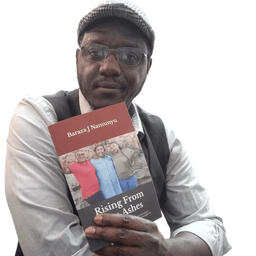


Photo Credit: Balozi Baraza (John Baraza Namunyu)
If you’re scrolling past this post and asking yourself, “Was it really necessary to talk about these issues?”, I want to be brutally honest with you: avoiding hard conversations doesn’t make society better—it makes it weaker. It’s easy to cover up problems, turn a blind eye, or convince ourselves everything is “fine” because addressing them is uncomfortable. But that’s not courage; it’s convenience.
I’ve learned that ignoring the cracks in our communities, workplaces, or even within ourselves, only allows them to grow. And this isn’t just about society—it’s about our mental health, too. Pretending that struggles don’t exist or sweeping trauma under the rug often leads to anxiety, chronic stress, and a creeping sense of helplessness. Millennials, especially, are carrying the weight of ambition, societal expectation, and constant connectivity—but we’re forgetting to check in on our own mental well-being.
Talking about difficult topics, confronting uncomfortable truths, and acknowledging the injustices or inequalities around us takes strength. It’s a form of self-care because it prevents the silent accumulation of stress and guilt. It’s a step toward building resilience—not just in our communities, but within ourselves.
We all have a choice: continue hiding behind the illusion that “everything’s fine,” or face the realities, however unsettling, and start creating solutions. I’ve found that every time I choose the latter, I feel lighter, clearer, and more empowered. Mental health isn’t just therapy or meditation—it’s courage. Courage to look at reality, courage to speak up, and courage to act.
So, if you feel uncomfortable reading this, good. That discomfort is a signal—it means you’re alive, aware, and capable of change. Let’s stop pretending the hard conversations aren’t necessary. Let’s start using that energy to grow stronger, smarter, and more resilient.