
Breaking the Silence
Aug 19, 2025
First story
Seeking
Encouragement
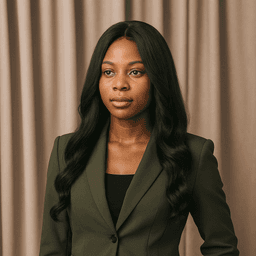

Breaking the Silence
Silence can be heavy. It sits in rooms, in streets, in cultures where voices are swallowed before they can rise. I have seen how silence protects bias, how it hides inequalities, and how it gives power to those who wound others.
But silence is not the end of the story.
I believe in the power of words to spark change. Stories can mend what violence has torn apart, they can question what has been accepted for too long, and they can inspire courage in those who feel alone.
In my culture we say, “Ohun tí a kò sọ, ó tóbi ju wa lọ” What we refuse to speak about becomes bigger than us. I write because I refuse to let silence become stronger than our voices.
This is my first story on World Pulse. I come with a heart ready to listen, to share, and to challenge the inequalities that shape our lives. May our words travel beyond borders and may our voices remind the world that dignity belongs to everyone.
Yet history has shown us that silence cracks when courage enters. The most powerful movements of justice were not born from silence; they were born when ordinary people found the strength to speak. Words, when released, can travel like fire through dry grass. They can expose, they can heal, and they can build bridges across wounds we thought were permanent.
Other times, it is quiet—hidden in everyday attitudes, in the way opportunities are denied, or in the way some voices are ignored at the table. It is in the teacher who believes boys are more capable than girls. It is in the workplace where women are paid less for the same work. It is in the family that tells a child, “don’t speak, you are too young to matter.”
I believe that bias begins in silence. When we do not question it, when we do not challenge it, silence becomes agreement. But when one person chooses to speak, others find their courage too.
That is why I choose storytelling. Words are not just ink on paper; they are mirrors and lamps. They reflect hidden realities and they shine light on paths forward. Through stories, we remember that pain is not the whole of us, and we remind the world that dignity is not negotiable.
For me, writing is not a hobby. It is resistance. It is healing. It is my way of standing beside every person who has been silenced, and telling them: Your story matters. Your voice matters. You matter.
.
So I write. I write against the weight of silence. I write for the one who thinks their pain is invisible. I write for the one who wonders if speaking out will ever make a difference. I write because even if my words touch only one life, that one life is worth the effort.
If you are reading this and you have ever felt silenced, know this: you are not alone. Your voice is powerful, and your story deserves to be heard. Together, we can build a chorus that no system of inequality can ignore.
Silence is like a wall, but walls can be broken. Sometimes it takes only one small crack for light to enter. Each voice raised is a crack. Each story told is a hammer against that wall. And though the wall may be tall and ancient, history shows us that no wall can stand forever against truth.
In my community, elders remind us: “A kì í fọ́wọ́ kan gba’gbé” — One hand cannot lift a load to the head. This teaches me that silence cannot be broken by one voice alone. We need many voices, rising together, to lift the heavy load of inequality. Alone we may stumble, but together we can carry the weight.
In different corners of the world, I have read of women silenced in politics, of men silenced by the shame of unemployment, of children silenced when they notice abuse but are told, “Don’t talk about family matters outside.” The details may differ across cultures, but the story is the same: silence favors the oppressor, not the oppressed.
And yet, every time a voice rises, even shakily, it creates a crack. I think of Malala refusing silence in the face of violence, of communities around the world gathering under trees, in halls, or on digital platforms to say, “This is what happened to us.” Every voice, no matter how small, adds to the sound of justice.
Gender bias, in particular, thrives in silence. It is in the job interview where a woman is asked about marriage instead of her qualifications. It is in the classroom where girls are steered away from science. It is in the subtle interruptions when a woman speaks in a meeting. These may look small, but silence magnifies them into mountains. Breaking that silence is not just an act of courage; it is an act of survival.
So, to anyone reading this: do not underestimate your story. Speak it, write it, whisper it if you must, but do not bury it. Because silence is heavy, yes, but together our voices are heavier.
That is why I see World Pulse not just as a platform, but as a gathering ground. It is a place where hands can join, where voices can harmonize, and where the heavy load of silence can finally be lifted.
Let us keep planting. Let us keep speaking. Let us keep breaking the silence. And when our words join together, they will rise like a tide that no wall of inequality can resist. May every story told here become a lantern in the dark. May our silence break, and may our voices build the world we dream of.
Silence can be heavy. It sits in rooms, in streets, in cultures where voices are swallowed before they can rise. I have seen how silence protects bias, how it hides inequalities, and how it gives power to those who wound others.
But silence is not the end of the story.
I believe in the power of words to spark change. Stories can mend what violence has torn apart, they can question what has been accepted for too long, and they can inspire courage in those who feel alone.
In my culture we say, “Ohun tí a kò sọ, ó tóbi ju wa lọ” What we refuse to speak about becomes bigger than us. I write because I refuse to let silence become stronger than our voices.
This is my first story on World Pulse. I come with a heart ready to listen, to share, and to challenge the inequalities that shape our lives. May our words travel beyond borders and may our voices remind the world that dignity belongs to everyone.
Silence is not only the absence of sound; it is the presence of fear. It is the burden of shame. It is the unspoken rule that says, “endure quietly, so the world can remain comfortable.” I have watched silence guard injustice like a faithful dog. It sits beside women who cannot report abuse, beside men who cannot admit vulnerability, and beside communities that choose to ignore the suffering of their neighbors.
Yet history has shown us that silence cracks when courage enters. The most powerful movements of justice were not born from silence; they were born when ordinary people found the strength to speak. Words, when released, can travel like fire through dry grass. They can expose, they can heal, and they can build bridges across wounds we thought were permanent.
Inequality wears many faces. Sometimes it is loud—shouted in laws, policies, and blatant discrimination. Other times, it is quiet—hidden in everyday attitudes, in the way opportunities are denied, or in the way some voices are ignored at the table. It is in the teacher who believes boys are more capable than girls. It is in the workplace where women are paid less for the same work. It is in the family that tells a child, “don’t speak, you are too young to matter.”
I believe that bias begins in silence. When we do not question it, when we do not challenge it, silence becomes agreement. But when one person chooses to speak, others find their courage too.
That is why I choose storytelling. Words are not just ink on paper; they are mirrors and lamps. They reflect hidden realities and they shine light on paths forward. Through stories, we remember that pain is not the whole of us, and we remind the world that dignity is not negotiable.
In Yoruba we say, “Bi omode ba subu, a wo iwaju; bi agbalagba ba subu, a wo eyin” — When a child falls, they look forward; when an elder falls, they look back. The proverb reminds me that storytelling is both forward-looking and backward-looking. We draw wisdom from the past while daring to imagine a better future.
For me, writing is not a hobby. It is resistance. It is healing. It is my way of standing beside every person who has been silenced, and telling them: Your story matters. Your voice matters. You matter.
On World Pulse, I hope to learn from the voices of others who carry similar fire. I hope to exchange wisdom across borders, to see how different cultures confront inequality, and to join hands with people who believe in justice. Here, I am not alone. Here, my words can sit beside yours, and together they can echo louder than silence.
I do not claim to have all the answers. But I know this: silence has never been the solution. Our communities do not heal by hiding wounds; they heal when we uncover them, clean them, and begin the slow work of mending. Inequalities do not disappear by pretending they do not exist; they disappear when we face them with courage and persistence.
So I write. I write against the weight of silence. I write for the one who thinks their pain is invisible. I write for the one who wonders if speaking out will ever make a difference. I write because even if my words touch only one life, that one life is worth the effort.
If you are reading this and you have ever felt silenced, know this: you are not alone. Your voice is powerful, and your story deserves to be heard. Together, we can build a chorus that no system of inequality can ignore.
Silence is like a wall, but walls can be broken. Sometimes it takes only one small crack for light to enter. Each voice raised is a crack. Each story told is a hammer against that wall. And though the wall may be tall and ancient, history shows us that no wall can stand forever against truth.
In my community, elders remind us: “A kì í fọ́wọ́ kan gba’gbé” — One hand cannot lift a load to the head. This teaches me that silence cannot be broken by one voice alone. We need many voices, rising together, to lift the heavy load of inequality. Alone we may stumble, but together we can carry the weight.
Silence, I have learned, does not always appear cruel on the surface. Sometimes it wears the mask of politeness, of “keeping peace,” of “respecting traditions.” But beneath that mask lies the truth: silence is the soil where inequality takes root. When we teach young girls not to question, we prepare them to accept less. When we tell young boys not to cry, we prepare them to carry unspoken pain that may one day erupt in harmful ways.
In different corners of the world, I have read of women silenced in politics, of men silenced by the shame of unemployment, of children silenced when they notice abuse but are told, “Don’t talk about family matters outside.” The details may differ across cultures, but the story is the same: silence favors the oppressor, not the oppressed.
And yet, every time a voice rises, even shakily, it creates a crack. I think of Malala refusing silence in the face of violence, of communities around the world gathering under trees, in halls, or on digital platforms to say, “This is what happened to us.” Every voice, no matter how small, adds to the sound of justice.
Gender bias, in particular, thrives in silence. It is in the job interview where a woman is asked about marriage instead of her qualifications. It is in the classroom where girls are steered away from science. It is in the subtle interruptions when a woman speaks in a meeting. These may look small, but silence magnifies them into mountains. Breaking that silence is not just an act of courage; it is an act of survival.
So, to anyone reading this: do not underestimate your story. Speak it, write it, whisper it if you must, but do not bury it. Because silence is heavy, yes, but together our voices are heavier.
That is why I see World Pulse not just as a platform, but as a gathering ground. It is a place where hands can join, where voices can harmonize, and where the heavy load of silence can finally be lifted.
Let us keep planting. Let us keep speaking. Let us keep breaking the silence. And when our words join together, they will rise like a tide that no wall of inequality can resist. May every story told here become a lantern in the dark. May our silence break, and may our voices build the world we dream of.
Silence can be heavy, it sits in rooms, in streets, in cultures where voices are swallowed before they can rise. I have seen how silence protects bias, how it hides inequalities, and how it gives power to those who wound others
But silence is not the end of the story.
I believe in the power to spark change. stories can mend what violence has torn apart,and they can inspire courage in those who feel alone.
In my culture we say, "Ohun ti a ko so, o tobi ju wa lo"(meaning: what we refuse to speak about becomes bigger than us). I write because i refuse to let silence become stronger than our voices.
This is my first story on World Pulse. I come with a a heart ready to listen, to share, and to challenge the inequalities that shape our lives. May our words travels beyond borders and may our voices remind the world that dignity belongs to everyone.
Silence is not only the absence of sound. it is the presence of fear. it is the burden of shame. it is the unspoken rule that says "endure quietly, so the world can remain comfortable". i have watched silence guard injustice like faithful dog. it sits beside women who cannot admit vulnerability, and beside communities that choose to ignore the suffering of their neighbours.
yet history has shown us that silence cracks when courage enters. the most powerful movements of justice were not born from silence; they were born when ordinary people found the strength to speak, words when released can travel like fire across wounds we thought were permanent.
inequalities were many faces. sometimes it is loud, shouted in laws, policies and blatant discrimination .other times it is quiet hidden in everyday attitude in the way opportunities are denied or in the same way voices are ignored at the table it is in the teacher who believes boys are more capable than girls it is the workplace where women are paid less for the same work. it is in the family that tells a child "don't speak, you are too young to matter"
i believe that bias begins in silence. when we do not question it when we do not challenge it.
silence becomes agreement. But when one person chooses to speak, others find their courage too.
That is why I choose storytelling. Words are not just ink on paper; they are mirrors and lamps. They reflect hidden realities and they shine light on paths forward. Through stories, we remember that pain is not the whole of us, and we remind the world that dignity is not negotiable.
In Yoruba we say, “Bi omode ba subu, a wo iwaju; bi agbalagba ba subu, a wo eyin” — When a child falls, they look forward; when an elder falls, they look back. The proverb reminds me that storytelling is both forward-looking and backward-looking. We draw wisdom from the past while daring to imagine a better future.
For me, writing is not a hobby. It is resistance. It is healing. It is my way of standing beside every person who has been silenced, and telling them: Your story matters. Your voice matters. You matter.
On World Pulse, I hope to learn from the voices of others who carry similar fire. I hope to exchange wisdom across borders, to see how different cultures confront inequality, and to join hands with people who believe in justice. Here, I am not alone. Here, my words can sit beside yours, and together they can echo louder than silence.
I do not claim to have all the answers. But I know this: silence has never been the solution. Our communities do not heal by hiding wounds; they heal when we uncover them, clean them, and begin the slow work of mending. Inequalities do not disappear by pretending they do not exist; they disappear when we face them with courage and persistence.
So I write. I write against the weight of silence. I write for the one who thinks their pain is invisible. I write for the one who wonders if speaking out will ever make a difference. I write because even if my words touch only one life, that one life is worth the effort.
If you are reading this and you have ever felt silenced, know this: you are not alone. Your voice is powerful, and your story deserves to be heard. Together, we can build a chorus that no system of inequality can ignore.
As I begin this journey on World Pulse, I carry with me the conviction that our stories are seeds. When planted in the soil of empathy, they grow into movements, they blossom into freedom, and they bear fruits of justice for generations to come.
Silence is like a wall, but walls can be broken. Sometimes it takes only one small crack for light to enter. Each voice raised is a crack. Each story told is a hammer against that wall. And though the wall may be tall and ancient, history shows us that no wall can stand forever against truth.
In my community, elders remind us: “A kì í fọ́wọ́ kan gba’gbé” — One hand cannot lift a load to the head. This teaches me that silence cannot be broken by one voice alone. We need many voices, rising together, to lift the heavy load of inequality. Alone we may stumble, but together we can carry the weight.
Silence, I have learned, does not always appear cruel on the surface. Sometimes it wears the mask of politeness, of “keeping peace,” of “respecting traditions.” But beneath that mask lies the truth: silence is the soil where inequality takes root. When we teach young girls not to question, we prepare them to accept less. When we tell young boys not to cry, we prepare them to carry unspoken pain that may one day erupt in harmful ways.
In different corners of the world, I have read of women silenced in politics, of men silenced by the shame of unemployment, of children silenced when they notice abuse but are told, “Don’t talk about family matters outside.” The details may differ across cultures, but the story is the same: silence favors the oppressor, not the oppressed.
And yet, every time a voice rises, even shakily, it creates a crack. I think of Malala refusing silence in the face of violence, of communities around the world gathering under trees, in halls, or on digital platforms to say, “This is what happened to us.” Every voice, no matter how small, adds to the sound of justice.
Gender bias, in particular, thrives in silence. It is in the job interview where a woman is asked about marriage instead of her qualifications. It is in the classroom where girls are steered away from science. It is in the subtle interruptions when a woman speaks in a meeting. These may look small, but silence magnifies them into mountains. Breaking that silence is not just an act of courage; it is an act of survival.
Alone, a voice may tremble. But together, our voices become a chorus, a wave, a force that can push against centuries of inequality. Every story on World Pulse is not just text—it is resistance, it is history, it is hope written into the future.
So, to anyone reading this: do not underestimate your story. Speak it, write it, whisper it if you must, but do not bury it. Because silence is heavy, yes, but together our voices are heavier.
That is why I see World Pulse not just as a platform, but as a gathering ground. It is a place where hands can join, where voices can harmonize, and where the heavy load of silence can finally be lifted.
As I begin this journey here, I hold onto one more truth: words are seeds. A single story may seem small, but when planted, it can grow into a tree of courage that shelters many. It can provide shade for the weary and fruit for the hungry. And from that tree, more seeds fall, more stories spread, until a whole forest rises against silence.
Let us keep planting. Let us keep speaking. Let us keep breaking the silence. And when our words join together, they will rise like a tide that no wall of inequality can resist. May every story told here become a lantern in the dark, guiding others toward courage, truth, and dignity.
May our silence break, and may our voices build the world we dream of.
- First Story
- Peace Building
- Caring for Ourselves
- Moments of Hope
- Stronger Together
- Member Introductions